Analysts everywhere are eyeing the problems that humanity is having with safe drinking water supply, both in terms of quantity and quality, as possible new sources of large profits. "Water is the new oil" is the mantra of analysts seeking to publicize investment opportunities
The Global Water Industry
The global water industry, about $360 billion in size, is the third largest industry in the world - behind petroleum and electricity.
Globally, over 90% of water utilities are owned by governments. In Europe, 45% of utilities are privately owned with many owned and operated by publicly traded firms. In the US, only 10% of water utility companies are privately owned.
The opportunity to invest, of the kind that exists in the oil industry simply does not exist in the water industry.
Oil is NOT Water
Oil and water don't mix but they weigh about the same. Depending upon the type of oil and its density, 1 gallon of oil weighs 6-8 lbs, while 1 gallon of water weighs about 8 lbs. So, they are very similar in weight, but water is a resource that thrives on motion - water must always be moving. If held in a stagnant mode, water deteriorates quickly or simply evaporates or disappears into the ground.
A Million Thirsts
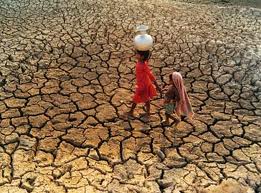
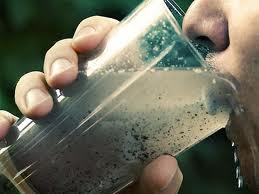
Thirst is location specific. Each thirst reflects the unique cultural, human, industrial, agricultural, ecological and environmental issues of a location. The kind of pollution that may need cleanup is different in each location.
The big similar solutions (like digging wells, building Dams, constructing aqueducts, etc) that supply the needs of a region have all seen their best days.
So how does an industry evolve such that it meets all the urgent needs? In three possible ways:
- Tap an existing global industry with a robust infrastructure available to support a variety of needs. Oil has just such an infrastructure today, but water does not.
- Create a global industry. It took over 75 years to go from individual oil wells serving a local need, to any oil well being able to serve a need anywhere in the world. Do we have 75 years and the billions to invest in building a global water industry?
- Ignore "use, waste and demand" to focus only on supply. Desalination could fit this bill. Unfortunately, however, nearly all of the 15,000 desalination plants are privately owned but not publicly traded. Also, revenues from individual plants are so low that they are not viable candidates for stand-alone investment as water plants.
Thus, Water Cannot Be The New Oil - Those of us who envision participating in a 'market' in water, a market akin to the markets that exist for trading other natural resources, have a long wait ahead of us.
The Global Water Industry
 |
| Source - snetglobalwaterindexes.com |
Globally, over 90% of water utilities are owned by governments. In Europe, 45% of utilities are privately owned with many owned and operated by publicly traded firms. In the US, only 10% of water utility companies are privately owned.
The opportunity to invest, of the kind that exists in the oil industry simply does not exist in the water industry.
Oil is NOT Water
Oil and water don't mix but they weigh about the same. Depending upon the type of oil and its density, 1 gallon of oil weighs 6-8 lbs, while 1 gallon of water weighs about 8 lbs. So, they are very similar in weight, but water is a resource that thrives on motion - water must always be moving. If held in a stagnant mode, water deteriorates quickly or simply evaporates or disappears into the ground.
A Million Thirsts
 |
| Source - renalfellow.blogspot.com |
 |
| Source - narrativeandotology.blogspot.com |
The big similar solutions (like digging wells, building Dams, constructing aqueducts, etc) that supply the needs of a region have all seen their best days.
So how does an industry evolve such that it meets all the urgent needs? In three possible ways:
- Tap an existing global industry with a robust infrastructure available to support a variety of needs. Oil has just such an infrastructure today, but water does not.
- Create a global industry. It took over 75 years to go from individual oil wells serving a local need, to any oil well being able to serve a need anywhere in the world. Do we have 75 years and the billions to invest in building a global water industry?
- Ignore "use, waste and demand" to focus only on supply. Desalination could fit this bill. Unfortunately, however, nearly all of the 15,000 desalination plants are privately owned but not publicly traded. Also, revenues from individual plants are so low that they are not viable candidates for stand-alone investment as water plants.
Thus, Water Cannot Be The New Oil - Those of us who envision participating in a 'market' in water, a market akin to the markets that exist for trading other natural resources, have a long wait ahead of us.